New Mexico equipment buyers
Sell Your Used Switchgear in New Mexico
We buy switchgear from decommissioned data centers and shut-down power plants. Get paid upfront; we handle crane, rigging, disconnects and all logistics.
ALL ON US
THE HEAVY LIFTING IS OURS.
Crane, rigging, disconnects, loading, freight and hauling—we handle it all. You get paid; we handle the rest.
TELL US ABOUT YOUR EQUIPMENTWHAT WE BUY
POWER EQUIPMENT.
WE BUY IT.
Clearing out surplus, replacing a lineup, or decommissioning a facility? Tell us what you have for a cash offer. We buy—not sell—electrical equipment.
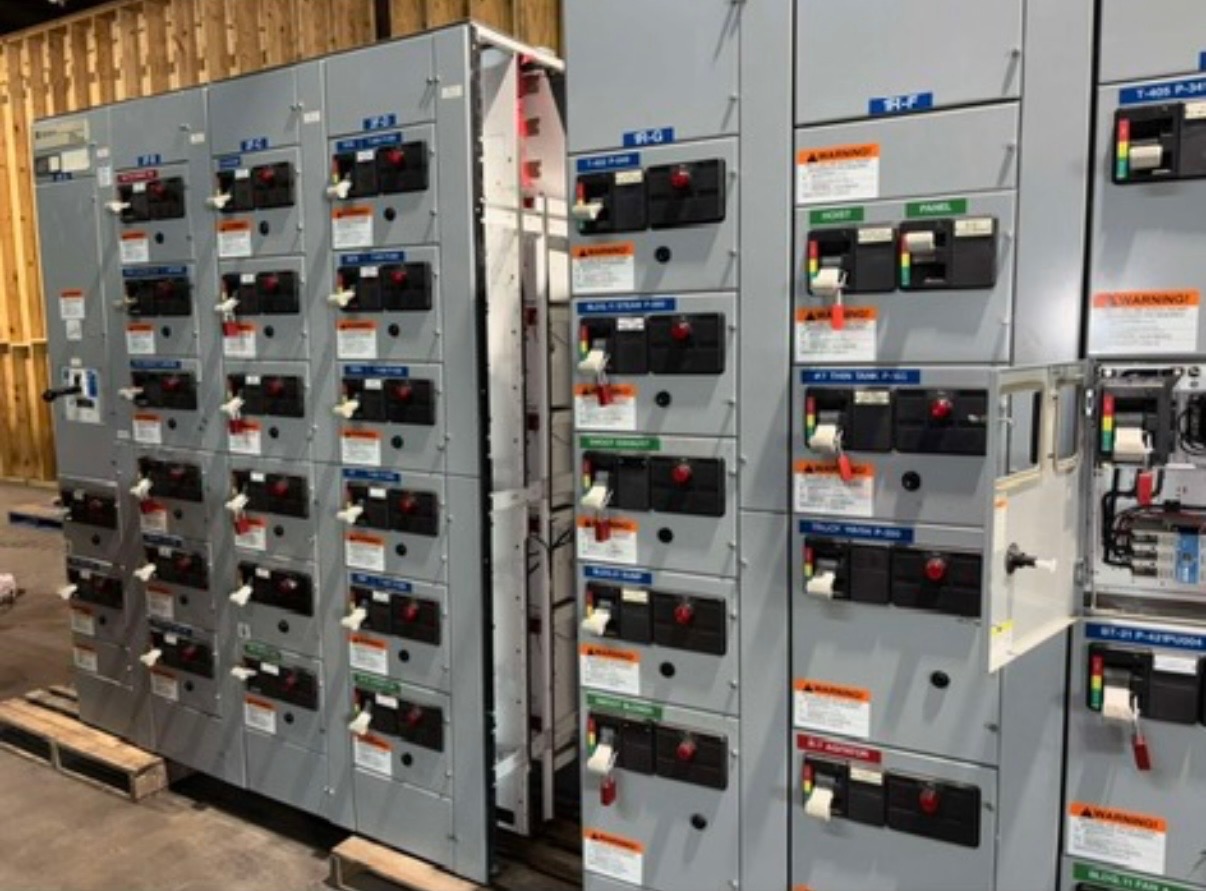
DECOMMISSIONED.
WHERE IT COMES FROM
BIG PROJECT.
OR SMALL CLEANOUT.
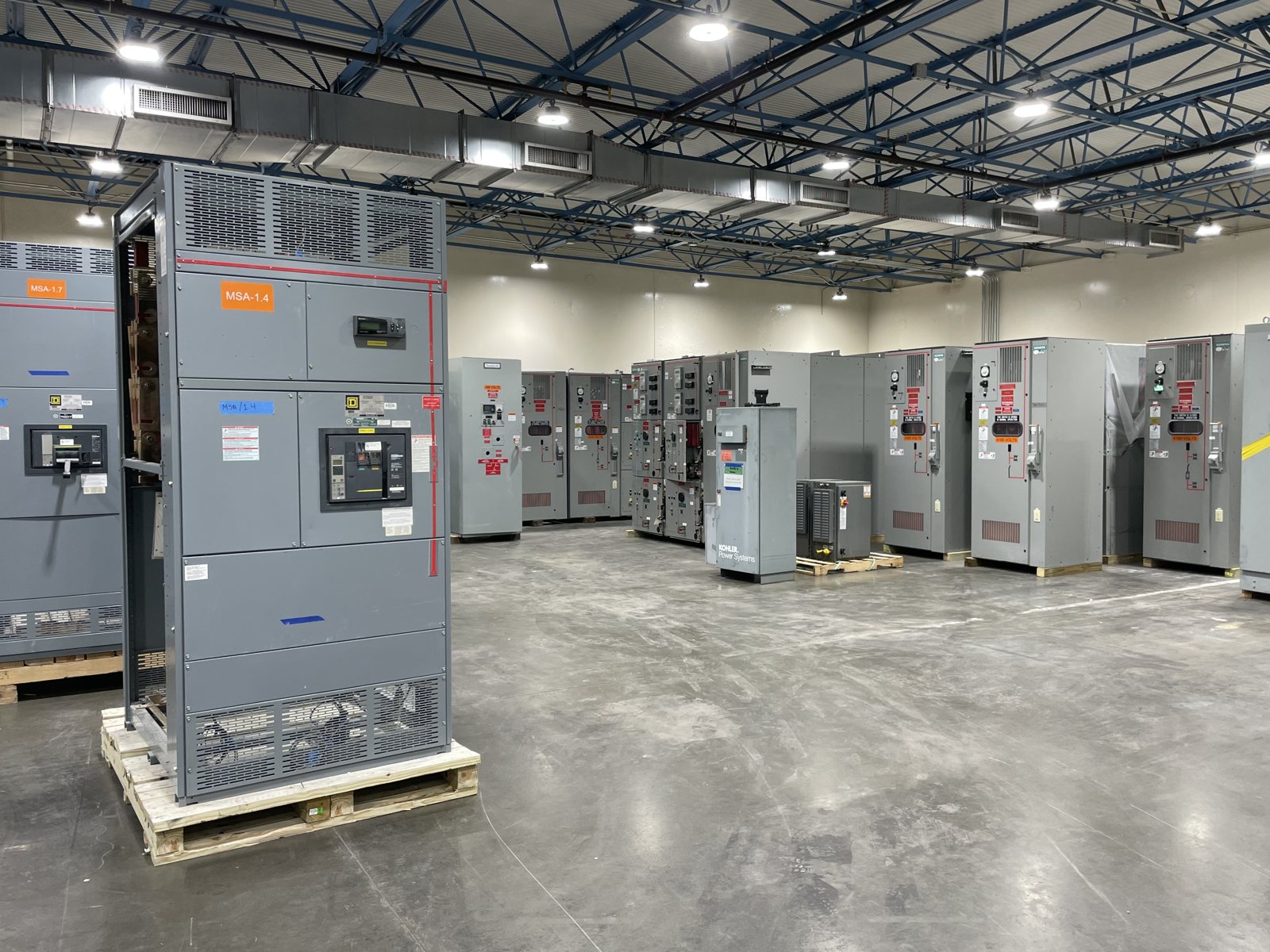
We buy electrical switchgear out of decommissioned data centers and shut-down power plants, as well as equipment from other New Mexico projects.
Selling Used Switchgear in New Mexico: Start With the Lot
When a facility in New Mexico is removing, replacing, or consolidating electrical distribution equipment, the first step is to establish exactly what is available for purchase. “Switchgear” may refer to a single lineup, several connected sections, spare breakers, or equipment being removed as part of a larger shutdown. A buyer can assess a lot more usefully when its scope is clear: identify which sections and components are included, what is excluded, and whether related equipment such as switchboards, motor control centers, panelboards, busway, or an automatic transfer switch is also available.
Record the manufacturer, model or catalog identifiers, voltage class, and any readable ampere or interrupting ratings from existing labels or project records. Do not open doors, remove covers, operate breakers, or energize equipment to find information. If a label cannot be read safely, note that the detail is unknown. Electrical identification and any required isolation belong to qualified personnel, not to someone preparing a sales inquiry.
Describe Condition Without Testing It
For a preliminary review, useful condition notes can be observational: equipment is installed or already removed; it appears complete or has known missing components; and its storage or operating status is known from records. If the gear was decommissioned as part of a data center closure or power plant shutdown, say so and identify whether the offered lot covers a whole lineup or only selected assets. That context helps distinguish a coordinated equipment package from individual pieces.
Do not conduct electrical testing, attempt operation, or ask unqualified staff to inspect internal parts in order to obtain an offer. Testing is not required from the seller. If existing test reports, maintenance records, or decommissioning documents are available, they may be shared, but their absence should be stated plainly rather than filled with assumptions. A buyer will evaluate the available information and may account for unknown condition when considering the equipment.
Gather Records That Clarify What Is Included
Documentation can resolve practical questions that photographs alone cannot. Assemble nameplate images taken from safe positions, equipment schedules, one-line diagrams, bills of material, breaker lists, and records showing modifications or known deficiencies, if available. Note whether drawings reflect the equipment as it stands today. If a lineup has been changed over time, mark which sections or devices are no longer present so the buyer does not mistake an old schedule for a complete inventory.
For each item, separate confirmed details from estimates. For example, state that a rating is legible on a nameplate, or that it is taken from a drawing and has not been checked against the installed equipment. Include quantities and section identifiers where practical. New Mexico sites may differ considerably in access, layout, and project timing, so avoid assuming that equipment of the same general type will have the same removal or transportation requirements.
Plan Around Shutdown and Site Constraints
Before arranging a sale, establish who controls the facility and when the equipment can be released. A shutdown schedule, demolition sequence, lease deadline, or replacement installation can shape the handoff. Tell the buyer whether the gear remains in place, is staged for removal, or is already at a storage location. Also describe relevant access conditions, such as loading-area limits, overhead obstructions, restricted work periods, or any site rules that could affect a removal plan. These are planning details, not a request for the seller to perform electrical or rigging work.
Switchgear can be heavy, interconnected, and hazardous. Qualified personnel must handle electrical isolation and disconnection in accordance with site procedures. Do not attempt to disconnect, dismantle, or move equipment yourself to make it easier to sell. A clear schedule and an identified site contact help the parties coordinate the work without compromising safety or disrupting other project activities.
Make the Handoff Responsibilities Clear
For an agreed purchase, the buyer handles the physical logistics, including crane services, rigging, qualified disconnection, loading, freight, and hauling. The seller does not need to supply that labor or arrange transportation. Share site access instructions and coordination requirements early so the removal plan can be reviewed before a pickup date is set. Responsibility for site access, approvals, and coordination should still be clarified between the parties; those requirements can vary by facility.
Do not move equipment or change its configuration after providing an inventory without telling the buyer. Missing breakers, removed sections, or a change in storage location can affect the agreed scope. If the lot changes, update the count and available records before the handoff. This simple step reduces confusion when equipment is identified at the site and prevents a mismatch between the purchase agreement and the actual items released.
Request an Offer With a Useful Equipment Summary
A concise inquiry can include the New Mexico site location, equipment type, quantity, manufacturer and identifiers, known voltage and ratings, current status, included accessories, available records, and the project’s expected release window. Attach clear photos of exterior labels and lineup arrangements only when they can be taken without opening equipment or entering an unsafe area. Mark uncertain facts as unknown; accurate limits are more helpful than unsupported specifications.
The buyer purchases used, surplus, and decommissioned electrical equipment across voltage classes, including switchgear from operating facilities, closed data centers, and shut-down power plants. Payment is made upfront for an agreed purchase, and the seller is not asked to test the equipment. Providing a well-defined lot and realistic project constraints gives both parties a sound basis to discuss the equipment, scope, and handoff before removal begins.
LET’S TALK EQUIPMENT
YOUR EQUIPMENT.
OUR OFFER.
Tell us what you have, including switchgear from a decommissioned data center or shut-down power plant. A nameplate photo helps us understand your project.
Cash offers, payments upfront, no testing required from the seller, and all voltage classes bought. We handle all crane work, rigging, disconnects, loading, freight and hauling; we cover all freight. You get paid; we handle the rest.
Text Nameplate Photos