Industries and projects
Electrical Equipment From Decommissioning Projects
Describe the switchgear and related electrical distribution equipment available from your New Mexico project.
ALL ON US
THE HEAVY LIFTING IS OURS.
Crane, rigging, disconnects, loading, freight and hauling—we handle it all. You get paid; we handle the rest.
TELL US ABOUT YOUR EQUIPMENTWhat counts as electrical equipment from a decommissioning project?
Decommissioning can leave behind substantial electrical equipment that no longer has a role at a facility, even when the equipment remains intact and potentially useful elsewhere. In New Mexico, a project may involve a data center being taken out of service, a power plant shutting down, or another industrial or commercial site undergoing a major change. The available equipment varies with the site and its electrical design; it should not be assumed that any particular project contains a specific model, rating, or quantity.
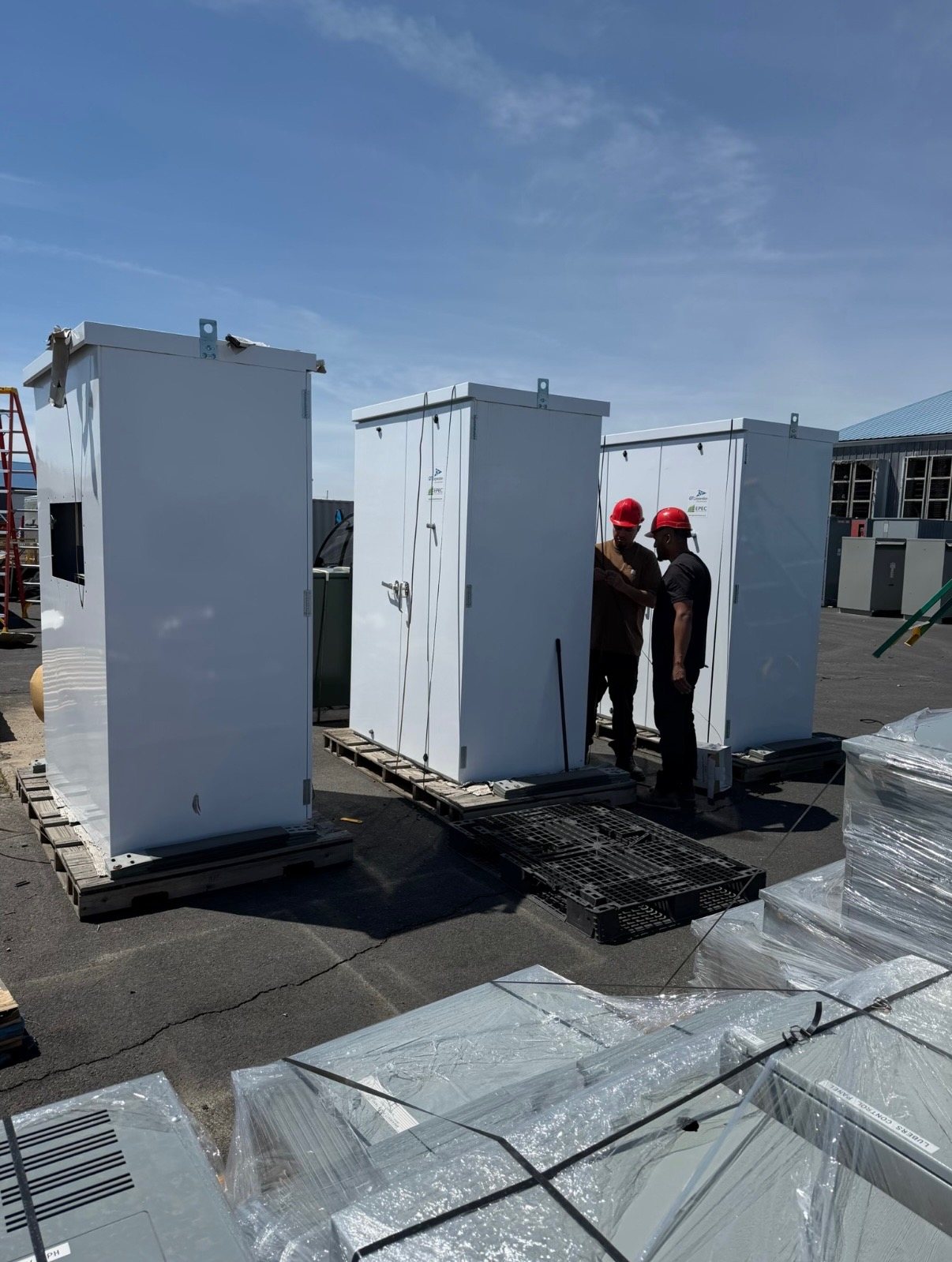
Common items considered for purchase include switchgear, switchboards, motor control centers (MCCs), panelboards, busway, automatic transfer switches (ATS), circuit breakers, and unit substations. A decommissioning inventory might include one component or several related assemblies. Identification details such as nameplate information, approximate quantities, condition as observed without testing, and whether items are still installed help establish what is available.
Can equipment be sold before a facility is fully cleared?
Often, the practical question is not simply whether equipment is surplus, but how it fits the decommissioning schedule. Some equipment may remain installed while other parts of a site are already cleared. The buyer can discuss equipment that is still in place as well as items that have been removed, with the scope and collection plan depending on access, project timing, and the equipment involved.
Before arranging a sale, the facility owner or project representative should confirm they have authority to transfer the equipment and identify any operational, environmental, or site-access restrictions that affect removal. If other contractors are working at the facility, clarify the boundaries of the electrical work and coordinate the sequence for disconnecting and clearing equipment. These project-specific details matter more than assumptions based on the equipment category alone.
What information helps evaluate a New Mexico project?
A useful first description includes equipment type, manufacturer and catalog or model information where visible, voltage class, ratings, quantity, and general condition. Photos of exterior nameplates and the overall equipment lineup can help distinguish, for example, a standalone breaker from a breaker installed within a switchgear assembly. If nameplates are inaccessible, report that rather than trying to reach them or remove covers.
Also describe whether the equipment is installed or already staged, the facility’s location in New Mexico, known access limitations, and any relevant dates for site clearance. These are planning details, not a requirement to produce a formal test report. The buyer purchases equipment across voltage classes and does not require the seller to test it to request consideration. Unknown ratings or condition should be identified as unknown, not guessed.
Does the seller have to disconnect, rig, or ship the equipment?
No. The buyer handles the removal logistics, including qualified electrical disconnection, crane or other rigging as needed, loading, freight, and hauling. The seller does not need to arrange or perform that work. The method depends on the item: a breaker being removed from an assembly presents different handling needs from a large switchboard section or a unit substation. Site access, clearances, weight information if available, and restrictions on vehicle or lifting equipment help the parties plan responsibly.
Electrical disconnection and removal must be left to qualified personnel. Facility staff should not open, test, energize, or operate equipment to obtain a quote, and should not attempt to prepare equipment for pickup. Keep access controlled and follow the site’s established safety procedures while qualified personnel determine the appropriate work plan.
How does payment work for surplus equipment?
This is a purchase of surplus or decommissioned equipment, not a consignment or a request for the facility to sell on someone else’s behalf. The buyer can make an offer based on the equipment and project details, and payment is arranged upfront for an agreed purchase. The offer and collection scope should be understood before removal begins, including which items are included and any project conditions that could affect the transaction.
Equipment value can depend on factors such as type, configuration, ratings, completeness, and the information available to identify it. A project’s location and logistics may also shape the collection plan. Because each decommissioning scope differs, a particular price or outcome should not be assumed before the equipment and circumstances are reviewed.
What if testing records are missing?
Missing test records do not prevent a seller from asking about a purchase. The seller is not expected to test equipment to obtain a quote. Share any existing documentation that is readily available, but distinguish records from direct observation: a historical report does not establish present condition, and an exterior photograph cannot confirm internal condition.
Do not open enclosures or operate equipment to fill information gaps. If the equipment has been disconnected, stored, or exposed to site conditions, describe what is known and leave technical inspection or handling to qualified personnel. Clear disclosure of unknowns supports a realistic discussion without adding unnecessary work or risk for the decommissioning team.
Which projects are a good fit for a buyer?
Facilities with surplus electrical assets may include decommissioned data centers and shut-down power plants, as well as other sites where electrical infrastructure is being retired. A project need not contain every equipment category to be relevant: available switchgear, MCCs, breakers, busway, ATS equipment, panelboards, switchboards, or unit substations can be discussed according to the actual inventory.
For a New Mexico project, begin with a concise inventory, available identification details, site location, and anticipated access or clearance dates. The buyer can then discuss an agreed purchase and take responsibility for the removal and freight plan. Keeping electrical work with qualified personnel—and avoiding attempts to test or operate equipment for a quote—helps protect people while the project moves toward site clearance.
LET’S TALK EQUIPMENT
YOUR EQUIPMENT.
OUR OFFER.
Tell us what you have, including switchgear from a decommissioned data center or shut-down power plant. A nameplate photo helps us understand your project.
Cash offers, payments upfront, no testing required from the seller, and all voltage classes bought. We handle all crane work, rigging, disconnects, loading, freight and hauling; we cover all freight. You get paid; we handle the rest.
Text Nameplate Photos