Equipment guide
Electrical Equipment We Buy
From individual breakers to multi-section lineups, tell us what electrical equipment you have available.
ALL ON US
THE HEAVY LIFTING IS OURS.
Crane, rigging, disconnects, loading, freight and hauling—we handle it all. You get paid; we handle the rest.
TELL US ABOUT YOUR EQUIPMENTStart With the Equipment, Not the Building
When a New Mexico facility no longer needs electrical distribution equipment, the first question is what is actually available for purchase. A buyer may be interested in complete switchgear lineups, switchboards, motor control centers (MCCs), panelboards, busway, automatic transfer switches (ATS), circuit breakers, and unit substations. A facility that has been shut down may have several of these categories; a remodel may leave only a breaker or a section of switchboard. Either way, identify the equipment and its condition as accurately as you reasonably can. You do not need to dismantle it or make it operational to begin a conversation.
Whole Lineup or Individual Components?
A complete lineup and a group of loose components present different purchasing considerations. With a lineup, useful details include the number of sections, overall arrangement, nameplate information, and whether the sections remain assembled. For individual breakers or other components, note the quantity, catalog or model identifiers, and any known storage or service history. Mixed lots can still be worth describing: a panelboard with spare breakers, for example, is different from a collection of unassociated parts. Do not assume that equipment must be complete, recently removed, or ready for immediate installation to be considered.
Voltage, Ratings, and Nameplate Information
Voltage class matters across distribution equipment, and buyers consider equipment across all voltage classes. When available, share clear photos or a written record of the nameplate data, such as voltage, amperage, interrupting rating, and manufacturer or model. Ratings help distinguish between equipment that may look similar from the outside but serves a different electrical duty. Missing or unreadable information is a variable to disclose, not a reason to open the enclosure or perform a test. Never energize equipment, remove protective covers, or probe conductors to fill in gaps; leave electrical work and inspection to qualified personnel.
Used, Surplus, and Decommissioned Equipment
The equipment does not have to come from an operating facility. Used and surplus inventory may be available after a system upgrade, while decommissioned gear may come from a data center or a shut-down power plant. Those situations differ in how much documentation or history remains. A surplus breaker may still be boxed, whereas installed switchgear may have an unknown service record. Explain what you know, what is uncertain, and whether the equipment is installed, disconnected, stored, or already removed. No seller testing is required to request consideration; do not operate or test gear just to support a quote.
Plan the Handoff Before Removal
For installed equipment, the practical question is not whether the seller can arrange a crane or haul the lineup away. The buyer handles the purchase logistics, including crane service, rigging, qualified disconnects, loading, freight, and hauling. The seller does not need to take on that work. Still, site conditions affect planning: equipment weight and dimensions, access routes, overhead obstructions, loading-area limits, and any facility scheduling constraints are useful to identify early. Do not disconnect, move, or prepare energized equipment yourself. Qualified personnel must manage electrical isolation and any work required at the site.
Make the Equipment Easy to Identify
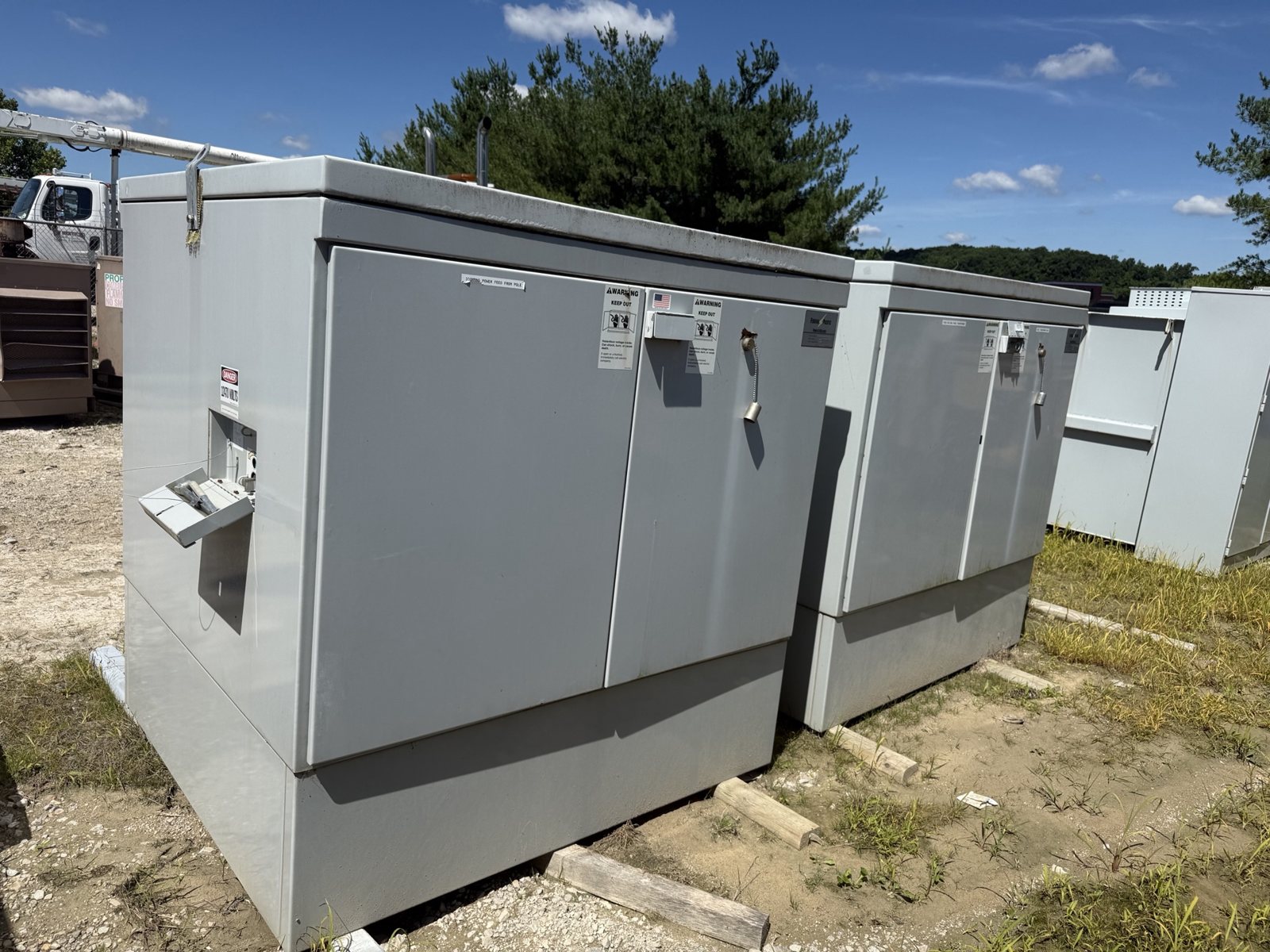
A concise inventory usually makes the initial review more useful than a broad description such as “old electrical gear.” List each equipment type and approximate quantity, then add visible nameplate details and photos taken from safe, accessible positions. For larger assemblies, note whether the gear is indoors or outdoors and whether it appears to be one lineup or several separate sections. Mention known damage, missing doors, corrosion, or incomplete components without trying to diagnose electrical condition. These details help distinguish a potentially reusable assembly from a parts lot, while leaving technical evaluation to the appropriate professionals.
Compare the Sale With Your Facility’s Needs
Before agreeing to a purchase, clarify which equipment is included, what site access is required, and how the removal and transportation responsibilities are divided. The buyer pays for equipment under an agreed purchase; this is not a service where the facility pays someone to take away its electrical assets. Payment terms should be confirmed as part of that agreement, with payment made upfront for the agreed purchase. If a project includes several categories—such as an ATS, switchboard sections, and spare breakers—identify whether they are being considered together or separately. Clear scope helps the seller coordinate a handoff without taking on electrical or rigging work.
Prepare a Safe, Practical Inquiry
For New Mexico sellers, the most useful starting package is a short equipment list, available nameplate details, safe exterior photos, and the facility location and access considerations. Include whether the equipment is surplus, installed, stored, or associated with a decommissioned site, and state plainly when important facts are unknown. Do not open, test, energize, or operate equipment to obtain a quote. Keep electrical assessment and disconnection with qualified personnel, and let the buyer coordinate removal and freight after the purchase terms are agreed. This approach applies whether the available item is one breaker or a larger distribution system.
LET’S TALK EQUIPMENT
YOUR EQUIPMENT.
OUR OFFER.
Tell us what you have, including switchgear from a decommissioned data center or shut-down power plant. A nameplate photo helps us understand your project.
Cash offers, payments upfront, no testing required from the seller, and all voltage classes bought. We handle all crane work, rigging, disconnects, loading, freight and hauling; we cover all freight. You get paid; we handle the rest.
Text Nameplate Photos