A buyer, not a seller
Who Buys Used Switchgear in New Mexico?
We buy used, surplus and decommissioned switchgear across New Mexico. Send a few details to start a cash-offer conversation.
ALL ON US
THE HEAVY LIFTING IS OURS.
Crane, rigging, disconnects, loading, freight and hauling—we handle it all. You get paid; we handle the rest.
TELL US ABOUT YOUR EQUIPMENTWho Buys Used Switchgear in New Mexico?
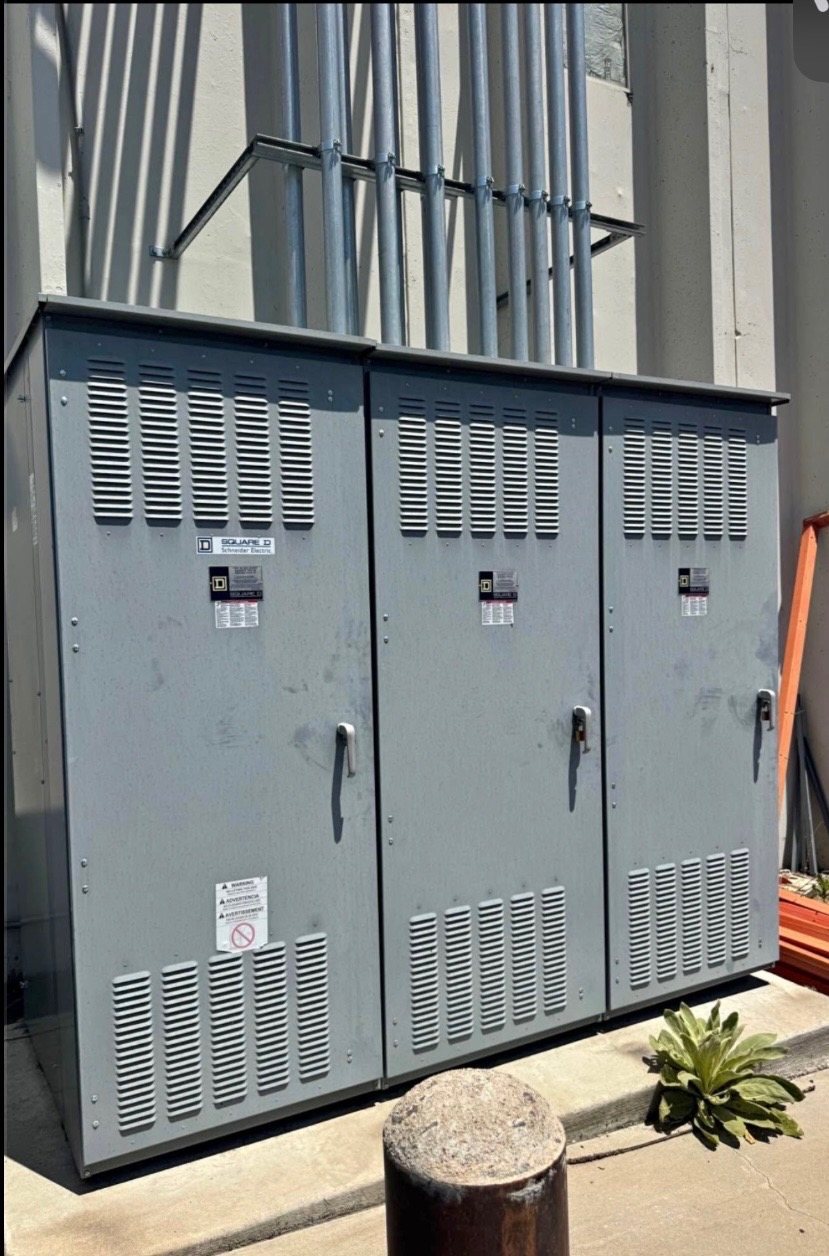
Used switchgear in New Mexico may interest a specialized electrical-equipment buyer when a facility is being upgraded, decommissioned, or cleared. The buyer purchases surplus and removed equipment for an agreed cash amount; it is not a service for selling equipment on consignment or arranging a future resale payment. The equipment’s make, voltage class, condition, configuration, and removal circumstances help determine whether it fits a purchase. A seller can ask about switchgear on its own or as part of a broader lot that includes switchboards, motor control centers, panelboards, busway, automatic transfer switches, breakers, or unit substations.
Typical sources include industrial sites, commercial facilities, data centers being decommissioned, and power plants that have shut down. Each project is different: some equipment remains installed, while other gear has already been disconnected or stored. New Mexico’s geography can also make freight planning a key part of the discussion, particularly when equipment is at a remote site or must be moved as part of a larger facility clearance. Location informs logistics, but it does not by itself establish an offer or determine whether a particular lot is suitable.
What Information Helps Define the Purchase?
Start with an inventory rather than assumptions about resale value. Useful details include manufacturer and model, nameplate photographs, voltage and current ratings, interrupting ratings where available, section count, breaker types, and any known accessories. Note whether the gear is indoor or outdoor equipment, whether it is assembled or separated into sections, and whether it is still installed. If labels are obscured or records are incomplete, report that plainly; do not guess at ratings.
Project records can help explain what is being offered. An equipment schedule, decommissioning list, available drawings, or a basic count of sections may clarify the scope. These documents are helpful, not a reason for the seller to open compartments or conduct electrical tests. A cash offer is based on the information available and the agreed equipment scope, so identifying exclusions—such as missing breakers, separate control components, or items that are not included—can prevent confusion later.
How Condition and Voltage Affect Scope
“Used” covers a wide range, from complete surplus gear kept in storage to equipment that has been operating and is now scheduled for replacement. Describe known issues such as visible damage, corrosion, missing parts, water exposure, or incomplete sections. If the equipment’s operating history is unknown, say so instead of presenting an estimate as a verified condition report. The buyer purchases across voltage classes, but that does not mean every configuration, condition, or project will receive the same assessment.
Some sellers worry that they must prove the gear works before asking about a purchase. They do not need to test it for a quote. Avoid energizing, operating, dismantling, or opening switchgear to obtain information. Electrical equipment can retain serious hazards, and even apparently disconnected equipment may require professional evaluation. Leave electrical work and any required verification to qualified personnel following the site’s safety procedures.
Agree on Removal Responsibilities Before Scheduling
Whether switchgear is installed or already staged changes the removal plan. For installed equipment, the buyer handles the required qualified disconnects and coordinates crane work, rigging, loading, freight, and hauling as applicable to the agreed project. The seller does not need to perform that work. This division is especially useful when a facility is managing several trades or a shutdown schedule, but responsibilities and access arrangements should still be confirmed before equipment is moved.
Discuss site access, pickup constraints, equipment dimensions if known, loading conditions, and any timing restrictions. A narrow doorway, limited lifting access, restricted work hours, or a requirement to coordinate with other site activity may affect planning. These are project-specific variables, not details to assume from the city or facility type. Keep the gear in its existing safe state until qualified people handle any necessary disconnection and preparation.
Clarify Paperwork and the Cash Arrangement
Before accepting an agreed purchase, make sure both sides have the same written understanding of what is included, the payment arrangement, and who is responsible for removal and transport. Identify equipment by location or inventory where possible, and distinguish included accessories from items that remain with the facility. For a decommissioning project, confirm how the switchgear lot fits into the larger clearance so that items needed for ongoing operations are not mistakenly included.
The buyer offers payment upfront for an agreed purchase and covers freight. The exact terms, pickup plan, and equipment scope should be settled for the transaction rather than inferred from a general description. Sellers should also follow their own facility procedures for authorization and records, particularly when equipment belongs to a business, plant, or property owner.
A Practical First Step for New Mexico Sellers
Prepare a concise equipment list, clear nameplate and exterior photographs, the site location, and a note about whether the gear is installed or already removed. Include known project timing and any access limitations. Do not risk injury to obtain better photographs or expose internal components. With this basic information, a buyer can review whether the switchgear and any associated electrical equipment fit a potential purchase and discuss the next steps for a cash offer.
For a seller planning a facility upgrade or shutdown, the central questions are straightforward: what equipment is included, what is known about it, and how will safe removal and pickup be coordinated? Clear answers make the scope easier to assess while keeping hazardous electrical tasks with qualified personnel. No seller testing is required, and the buyer takes responsibility for the agreed removal and freight logistics.
LET’S TALK EQUIPMENT
YOUR EQUIPMENT.
OUR OFFER.
Tell us what you have, including switchgear from a decommissioned data center or shut-down power plant. A nameplate photo helps us understand your project.
Cash offers, payments upfront, no testing required from the seller, and all voltage classes bought. We handle all crane work, rigging, disconnects, loading, freight and hauling; we cover all freight. You get paid; we handle the rest.
Text Nameplate Photos